Yes, I know Goodreads exists. HOWEVER, I personally find that keeping track of all my books here is more fun.
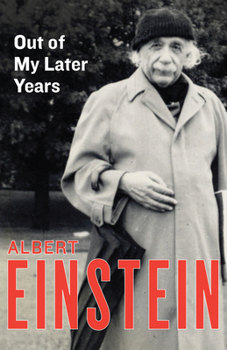
Out of My Later Years by Albert Einstein
Estate of Albert Einstein, 1956
- - - - - -CURRENTLY REREADING- - - - - -

Don Quixote by Miguel de Cervantes
Penguin Classics, 2003
This book took a lot of grit and motivation for me to finish. However, there were some parts of the novel that I found genuinely funny. In short, the story centers on a nobleman named Alonso Quixano, who becomes obsessed with the ideals of chivalry and begins to believe that he is a knight. As a result, he renames himself “Don Quixote” and sets out on various adventures. Another important character is Sancho Panza, a local farmer who becomes Quixote’s loyal companion. Of all the characters, I felt the most sympathy for Panza. He remains extremely loyal to Quixote, even when other characters manipulate them or play cruel pranks on both of them. The novel is not structured with traditional chapters but is instead divided into a series of scenes presented in chronological order. Because of the extensive dialogue and detailed descriptions of events, the story is quite long and sometimes feels slow-paced. At times, the amount of detail made the plot feel like it was dragging. However, if you are willing to commit to reading a very long book, this novel may be an enjoyable read.

Human Body Factfinder by John Guest
Dempsey Parr, 1999
While looking through my library, I stumbled across an interesting relic. As I flipped through the pages, I found myself sneezing from the layer of dust that had accumulated over the ten years since I first received this fact book. I believe one of my aunts gifted me this book when I was a kid. Even though it is now incredibly out of date, it still contains neat illustrations of many parts of the human body. The information is presented in short sections, making it easy for children to understand and explore.
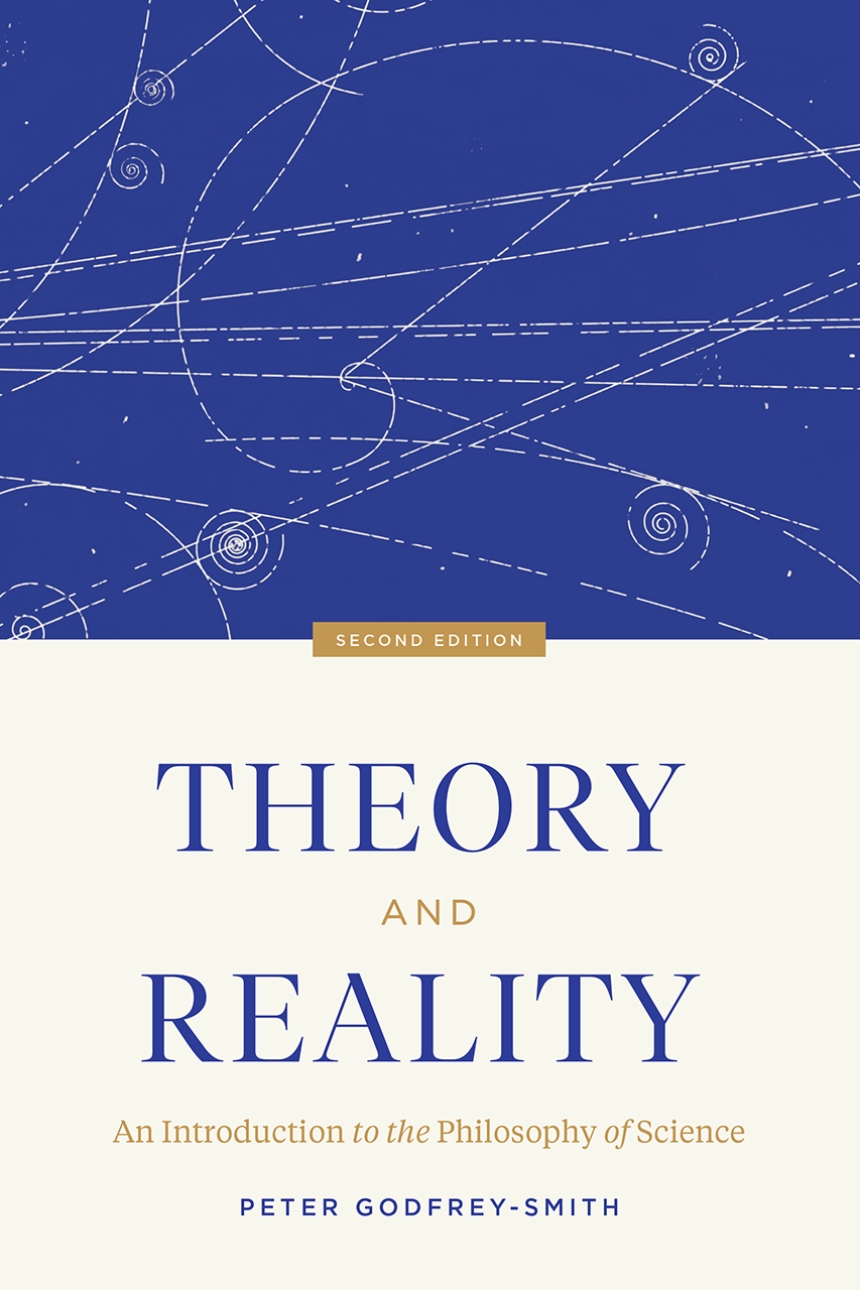
Theory and Reality by Peter Godfrey-Smith
The University of Chicago, 2003
I read this book some time ago while taking a Philosophy of Science course at my university. The questions and discussions within philosophy can at times appear pointless, both literally and metaphorically, as the arguments often circle back on themselves. However, I ended up enjoying the class because it showed how interconnected scientific research is with philosophy. While they may seem like separate paradigms at first glance, this relationship can be seen in how scientists investigate and support their answers to unknown questions. Overall, this book highlights the modern debates regarding how science works, its relationship to reality, and its unique status among other ways of understanding the world. The book also refers to ideas from famous philosophers Popper and Kuhn. I don't really agree with Popper in that science should is only based on falsification due to the fact that many interesting hypotheses are formed because of inductive reasoning. Additionally, it is more exciting to hypothesize some new radical theory rather than mundanely prove an answer wrong. Nevertheless, that is just my opinion.